I gave a talk last week at CCC in Hamburg on the state of consumer technology in Pyongyang. It’s available for streaming online.
Images shown in the talk are available.
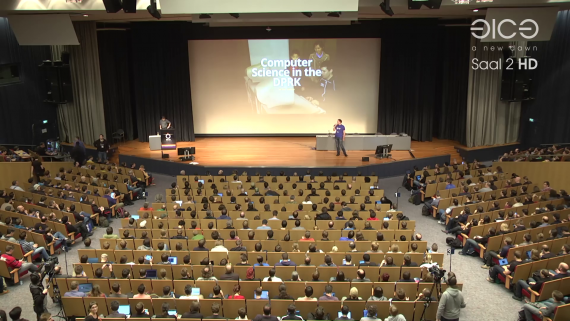
I gave a talk last week at CCC in Hamburg on the state of consumer technology in Pyongyang. It’s available for streaming online.
Images shown in the talk are available.
Technology in the DPRK is in the news cycle
again. I’m excited to talk a bit more in depth on what technology in Pyongyang looks like next week at CCC.
Scott said he’s setting aside his innate skepticism about working with police. “If we want them to work for us, how can they do that if we don’t tell them what we want?” he said.

An exercise I’m in the process of completing is thinking about how we’d like to see the code for seattle organization grow and evolve in 2015. For reference, the document is beginning to taking shape and will live for posterity on the organization website.
I’m really excited about the trajectory that the code for america brigades are on. The problem we’re solving is direct and compelling, and there is a huge amount of sympathy from all sides to make the civic data around us more valuable in our daily lives.
I think there are two places in particular where I see opportunities for us to help push the interaction between civics and technology forwards. The majority of our energy currently, and something that is clearly in our purview is helping to support the tech education space and support more technical literacy throughout the Seattle community. I think that we should be figuring out how to multiply our effort here, and I’d love to see partnerships with the libraries and redistributable course material as products of this work. The second thing that we can do as code for seattle, and the area I’m most passionate about is getting more valuable tech applications out there using civic data. I want to spend my effort over the next year primarily pushing on how to do a better job here.
Establishing tech partnership with cities is at the heart of code for america, and I think seattle has the climate to be a leader here. Our group already has connections with a number of people in government who are excited to see and help external projects built using open civic data thrive. Likewise, I feel like there isn’t a shortage of money in this space, with existing foundations, companies, government programs, and donors all expressing willingness to further these interactions. I think what’s lacking, and an area where code for seattle can take a lead, is helping to curate ideas from the city for feasibility and then connect those idea with great coders to make them happen.
What needs to happen to get here? I think there are three things. The first is defining a formal structure around how such a program would exist and run. I imagine that a fellowship, like those run at the national level by code for america, could work – but it isn’t worth discounting a coder-in-residence, or being more flexible in how to attract people. The second is getting buy-in for the idea. This means finding a few government partners that are really excited about the idea and able to spend time supporting it, sufficient money to pay people, and a couple coders we’re excited about. The program doesn’t need to be big to be successful, and we should start with one or two people working on things they’re passionate about that are clear wins in order to show viability. The third thing that needs to happen at some point is that Code for Seattle needs more coordination as an entity. In our current volunteer state, we’re always spread pretty thin in terms of how much time our core group can spend on promoting our agenda. It would be great to get someone paid part-time purely to help keep the group on track, follow up with people, and spend time on the less fun things like structure for paying people.
All this perhaps is to say:
If you’re someone who is passionate about the tech scene in Seattle (or know someone who is), and are willing to spend time supporting government-technology interaction, I’d love to chat.
I started ip2country over the last few days, as a self contained npm module for determining the country of an IP address.
WebRTC continues to develop towards an evolving standard, requiring some additional leg work to use it in projects. In yet another attempt at bridging that gap, I’ve been working on maintaining an adapter lessening some of the deviation from standard in current browsers.
https://www.npmjs.org/package/webrtc-adapter
It currently fixes
The main hope is that this will be easier to include in projects than previous attempts.

Now that I have a non-biking commute I’m excited to start reading more. I’m not sure I buy into the whole good-reads thing that Amazon is pushing on me, but the kindle form factor is nice in that it’s small enough to fit in my back pocket and pull out on the subway.
Also interesting, to setup the device I typed the first three letters of my amazon account ID, and then it logged in. Not sure if there was a race condition where it was checking it’s serial number against amazon’s registration database at the same time, but it was an interesting and vaguely unsettling experience since it has 1-click access to credit card purchases.
Happy to see BladeDroid appear at APSys next month. BladeDroid is Ravi’s project to figure out how to translate user scripts (browser extensions) into Android and get users back in control of their Apps.
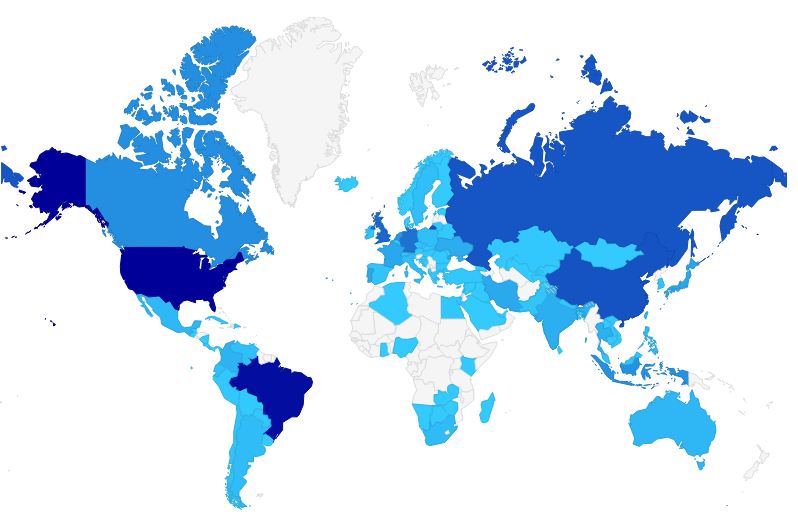
I spent a bit of time last month looking at Open Proxies. They’re are one of the dark corners of the internet that have been around forever but which we still don’t really understand.
It was really cool to get a view into the largely international nature of the servers, get a sense of where they are running, and start to see the SEO fraud and surveillance entities which are co-opting the mechanism.
Work over the last month has largely focused on using freedom.js as a platform for server security. I’m very happy with the submission we made to OSDI yesterday describing that work.