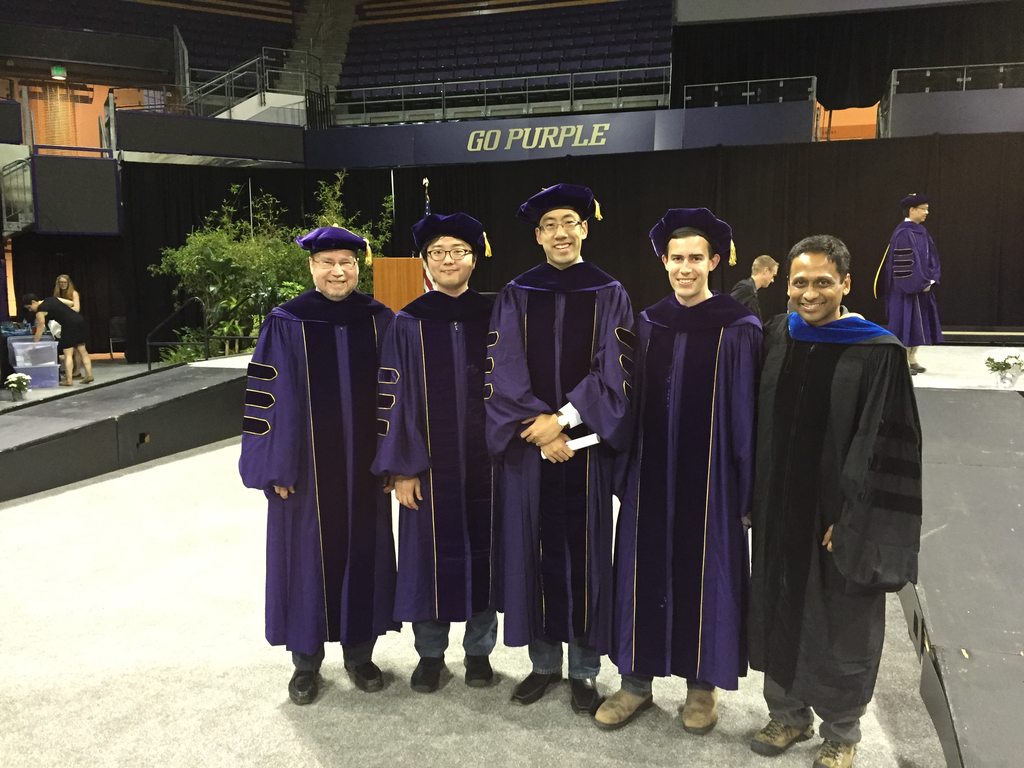
I was fortunate enough to graduate from the University of Washington’s Computer Science and Engineering PhD program this spring. It has been an amazing five years, due in large part to an amazing group of colleagues.
I was fortunate enough to graduate from the University of Washington’s Computer Science and Engineering PhD program this spring. It has been an amazing five years, due in large part to an amazing group of colleagues.
I’m excited to present Satellite, a network measurement project I’ve been working on over the last couple years, at USENIX ATC next month.
Satellite takes a look at understanding shared CDN behaviors and automatically detecting censorship by regularly querying open DNS resolvers around the world.
For example, we can watch the trends in censorship in Iran using only a single, external machine.
The data for satellite is posted publicly each week, and will shortly be merged into the OONI data set to help provide better baselines for what behavior should be occurring.
On the OONI blog today is a post looking at Brazil’s recent block of Whatsapp. Another reminder of how much of the average user’s Internet experience has shifted from the web browser to mobile apps.
I started running a public sp3 server today. It’s a small side-project I’ve hacked together over the last couple weeks to make it easier for people to play with packet spoofing. The server works similarly to a public proxy, but with the trade-off that while it won’t send high-volumes of traffic, it will allow you to send arbitrary IPv4 packets from any source you want.
There are a few fun applications that need this capability that I’ve been thinking of: helping with NAT holepunching of TCP connections; characterizing firewall routing policies; and for cover traffic in circumvention protocols. I think there are others as well, so I wanted to start running a server to see what people come up with.
The code is on github.
I had the privilege last week of talking at the 32nd Chaos Communication Congress about the state of Internet Censorship in 2015 and the major developments in blocking and measurements last year.
The talk is now online and available for streaming. It’s meant as a primer on the topic, and to show the growing normalization and corporate control of filtering.
I’ll be giving a talk next week at CCCamp on the Open Proxy ecosystem, following up on some work I did last year looking at the operators, users, and traffic.
I’m quite excited to be talking at CascadiaFest this summer about the work I’ve been doing on scanning the Internet.
My talk proposal is archived here. The cool end-results are still getting ready for publication, but one of the code modules I’m pretty excited about that happened in the process is ip2country.
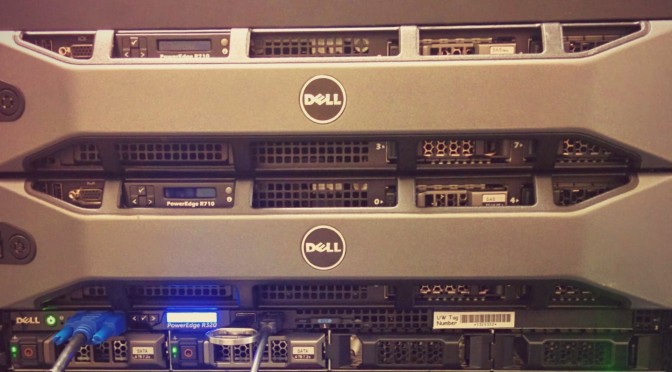
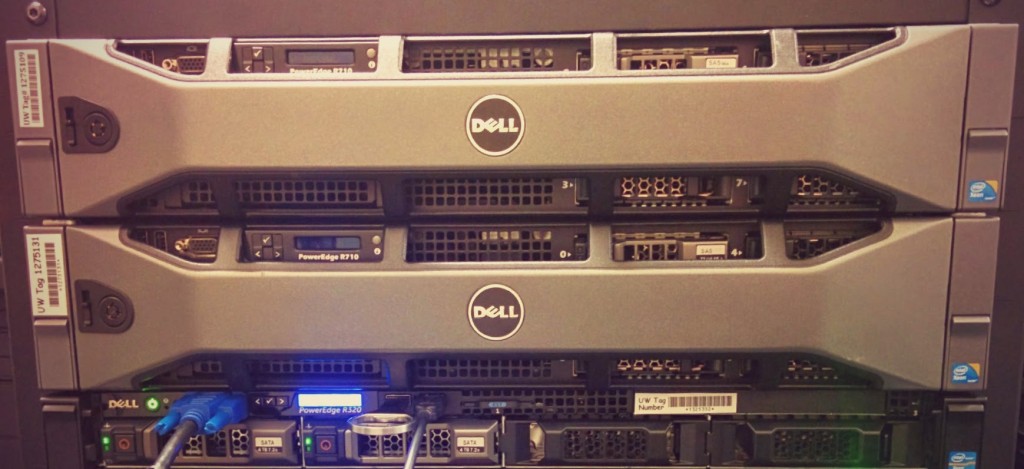
Finally got a new server up and running. It’s interesting to go through the setup process every once in a while to see what parts of it are still hardware. I also got to explore some new corners of the process, like dealing with the remote admin interface, and structuring DNS and NICs across multiple public interfaces.
I’m excited to be supported by the Open Technology Fund on my research of activist.js. I’ve found myself in highly esteemed company, and hope to live up to goals of program.
Will Scott, a graduate student in the Networking Lab at the University of Washington, will continue his work on Activist.js, a tool that helps publishers resist censorship by maintaining strong websites that are more resilient to network interference.
The proceedings for BITCOIN’15 are now available, including our paper on some of the legal issues surrounding crypto-currencies.